
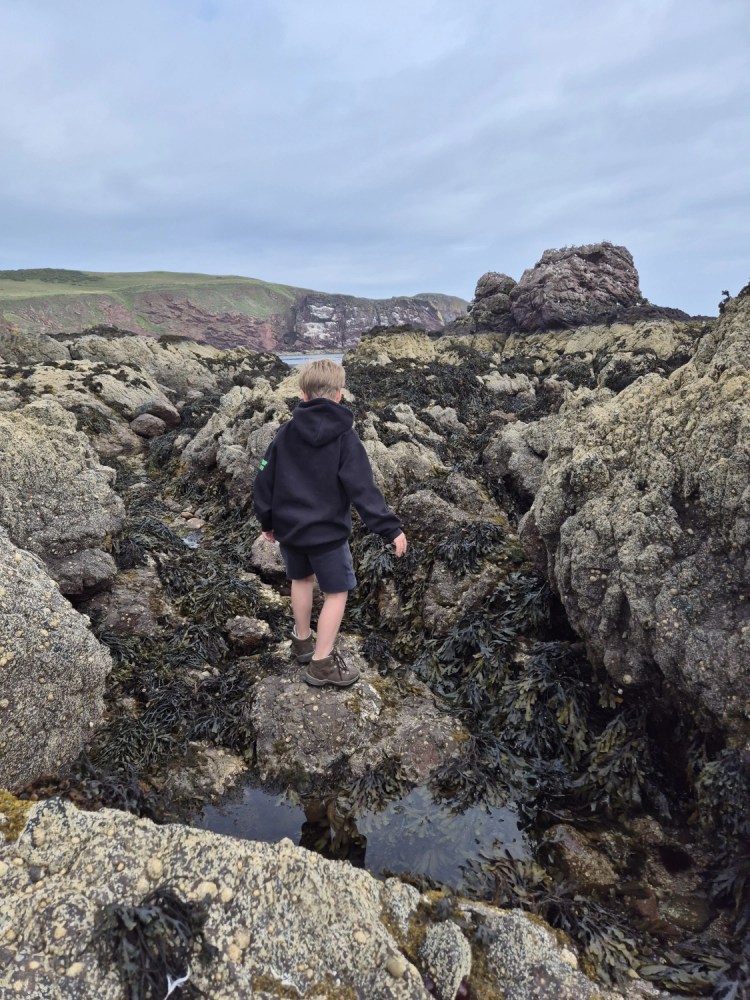
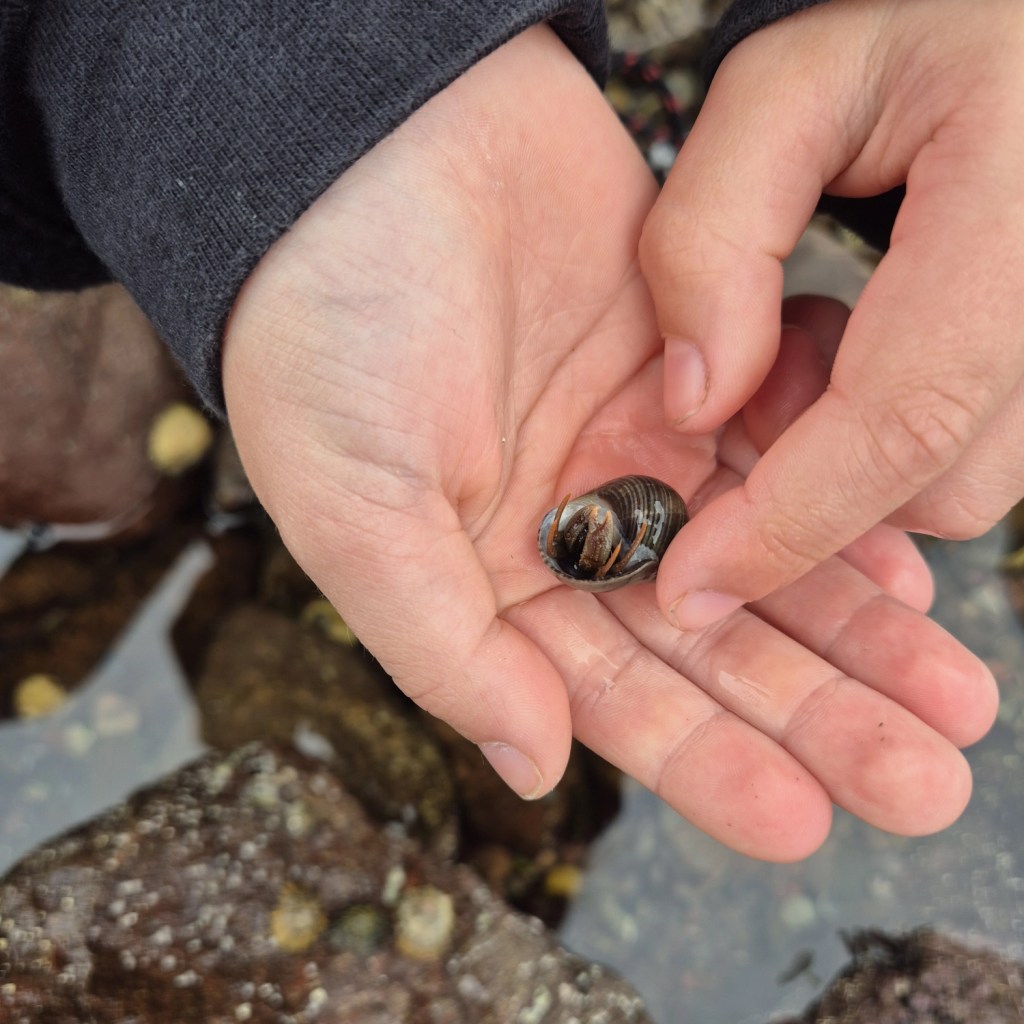
On our last trip up to St Abbs, we arrived at a low tide and ready to hit the rock pools. It turned into the best sort of morning where time just flew: the four of us crouched around puddles of salty water, on a clear mission (set by the boys) to find crabs. We were surprised at how many we found, and ended up having an impromptu competition to find both the biggest and tiniest crabs!
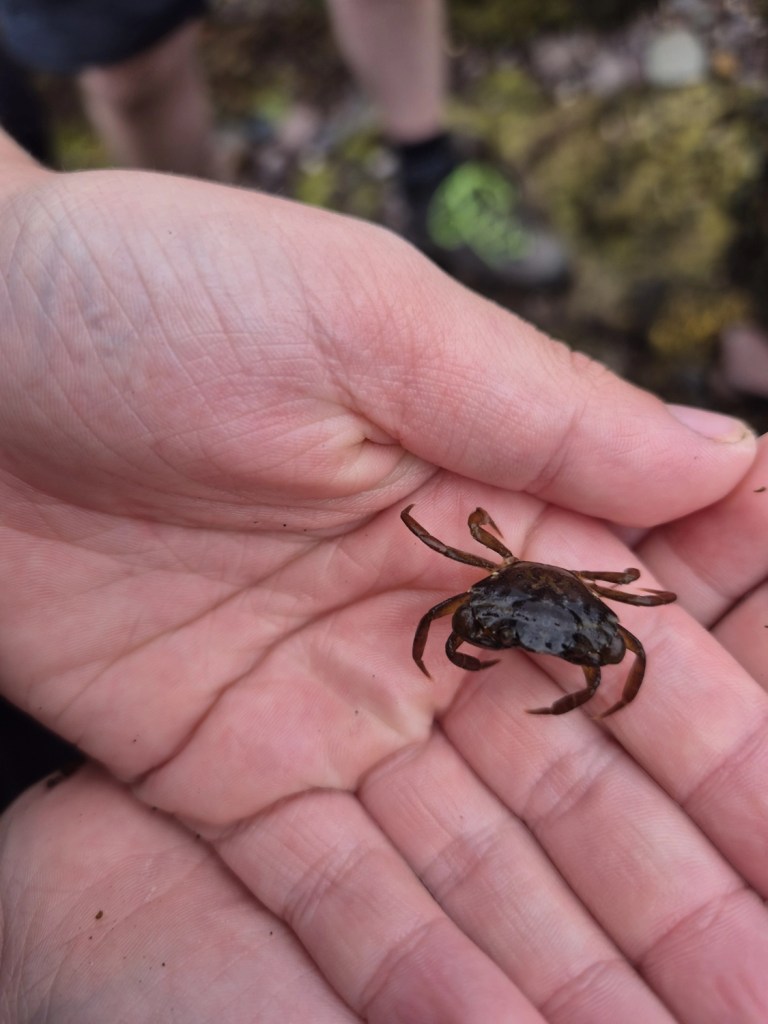
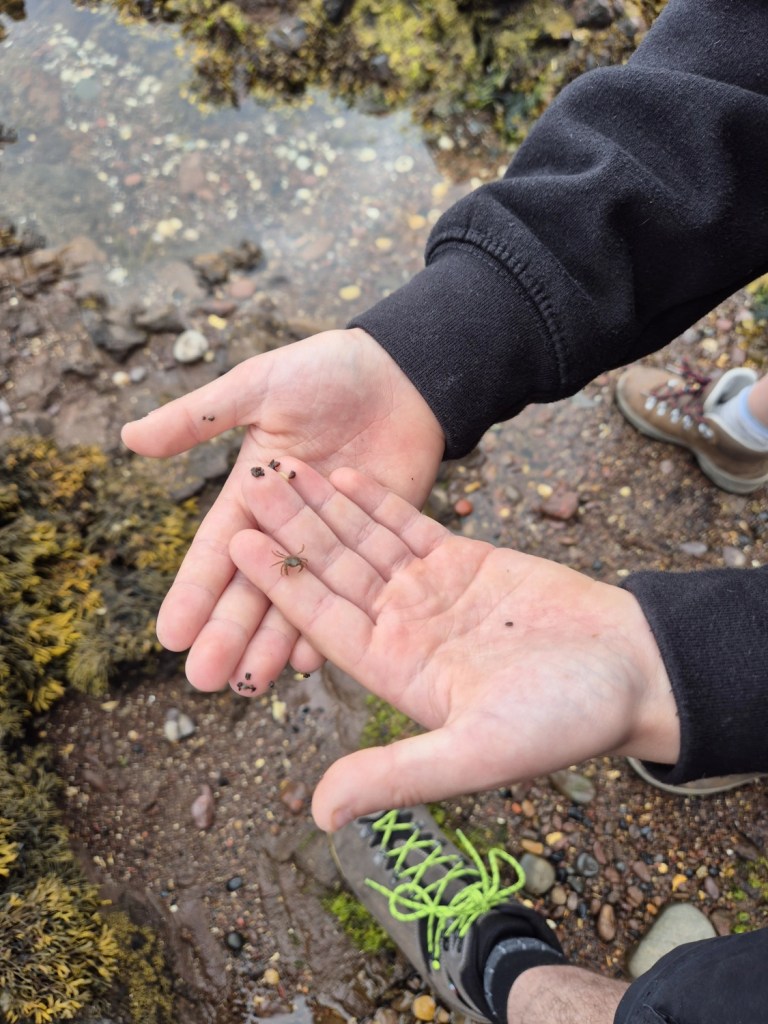
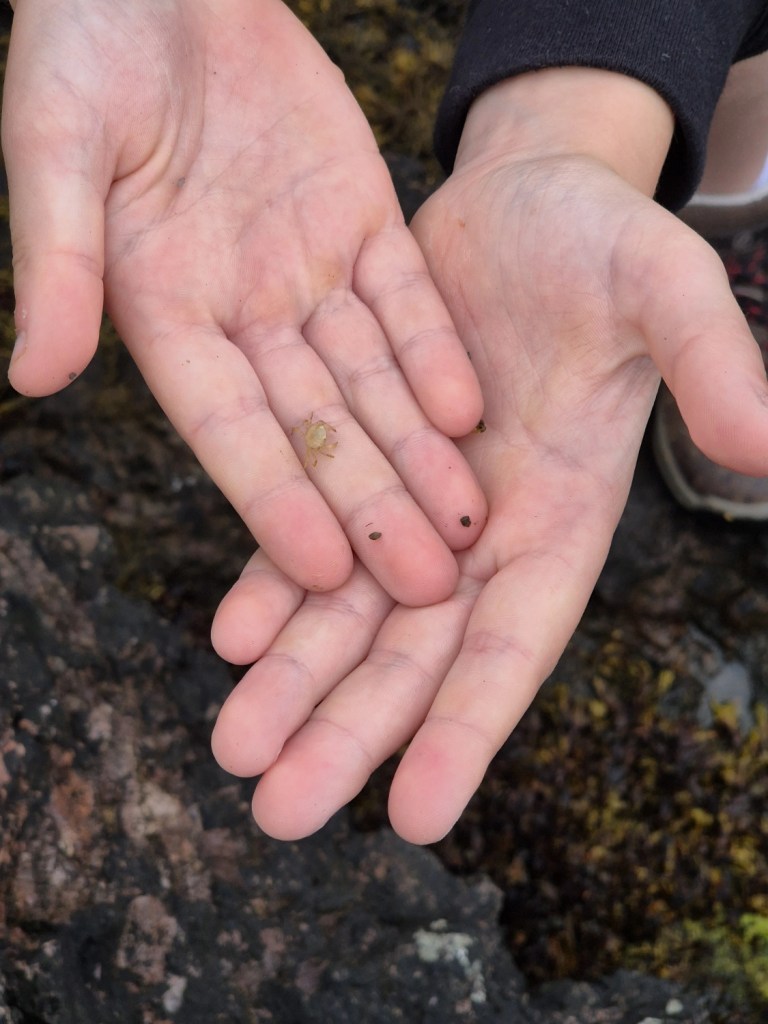
We saw hundreds of tiny fish darting around in the bigger pools, and then we spotted something that looked like a clear, flashing blob – a comb jelly (I think?) with flashing lines like funky LEDs going down its body – this was absolutely fascinating!
We had an amazing (and argument free!) time together, and it reminded me just how brilliant rock pooling is as a family activity. So, here’s my mum’s guide to a morning of rock pooling: where to go, what to look for, and all the tips we’ve learned along the way. (And whilst a bucket and net is helpful, we had hours of fun with nothing, making it the perfect free outdoor activity!)
Why Rock Pooling Is Brilliant For Kids
- It’s like a treasure hunt with live treasure.
- It sneaks in science – sea creatures, tides, geology – without anyone realising they’re learning.
- It’s low-cost and you don’t need much kit (if any!).
- It’s outdoors, so there’s space for children to burn off energy while you enjoy some sea air.
When to Go: The Tide Trick
Top tip: Rock pooling is best at low tide.
This is when the sea has retreated and leaves all those lovely little pools exposed.
- Check tide times before you set off. Aim to arrive as the tide is going out.
- Avoid rising tides – nobody wants to be cut off while holding a plastic bucket and a small, furious crab.
We use the free Just Tides: Tide Times app or just Google “tide times” and the beach name.
What to Take With You
You don’t need much, we regularly go without any kit at all, but a few bits can make it easier:
- Buckets – one per child if you value your sanity.
- Nets – optional, but children love them.
- Sturdy shoes – rocks are slippy; don’t let them persuade you to do it in flip-flops. We used our walking boots.
- A magnifying glass (if you’ve got one) – tiny things are fascinating up close.
- Snacks and drinks – always. A day out with children without snacks is basically a horror movie!
- Pack a towel or two, a change of clothes, (and a sense of humour) for the soggy car journey home.
Optional extras:
- A waterproof phone case – because “I was just leaning in for a better look” has ended in tears before.
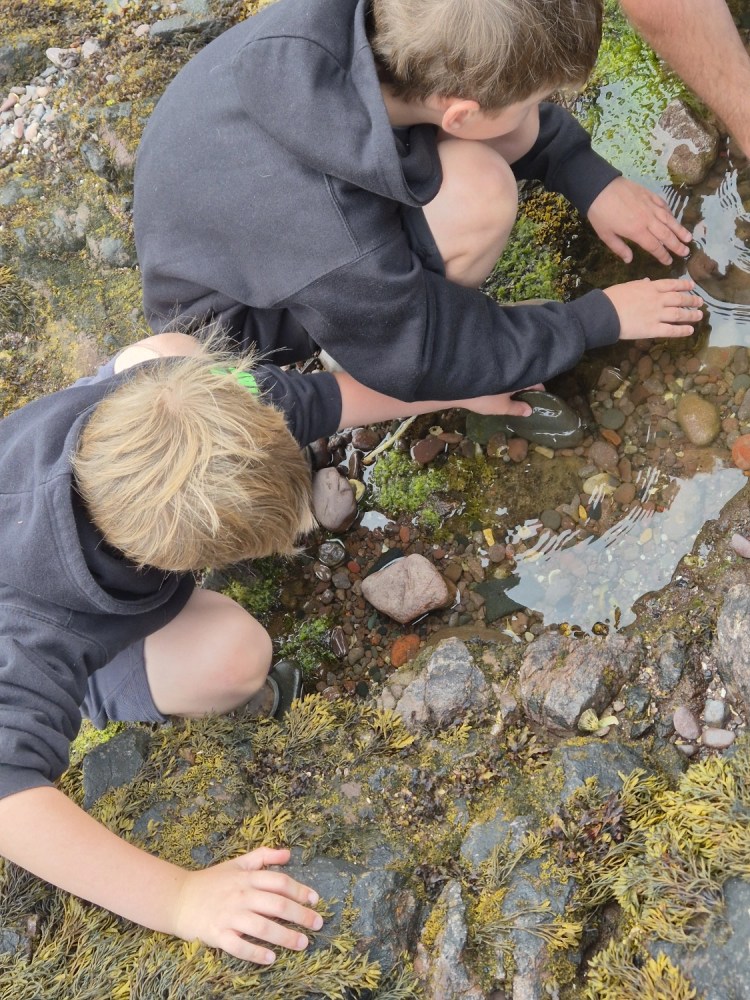
How to Keep Children Entertained (and avoid “I’m bored”)
Honestly though, we’ve never had an “I’m bored” at the coast!
- Set little challenges: “Who can spot the smallest crab?” (see top of page!)
- Do mini photo safaris – let them take photos of what they find.
- Mix it up with a beach picnic – it gives everyone a break.
- Turn it into a scavenger hunt
Safety First
- Rocks can be slippery, so move slowly.
- Don’t pick up anything sharp (watch out for glass).
- Keep an eye on the tide – it comes in quicker than you think.
Final Thoughts
Rock pooling is such a simple, joyful day out. It’s an adventure that costs next to nothing and fills their little heads (and your camera roll) with memories.
So grab a bucket, check the tide times and head for the rocks. Who knows what tiny creatures you’ll meet?
Facts Box
- Best time to go: Two hours before low tide
- Good for: Children aged 3+ (babies can watch!)
- What to pack: Buckets, nets, sturdy shoes, snacks
- Cost: Free
- Extra tip: Leave creatures where you find them – we’re visitors in their home
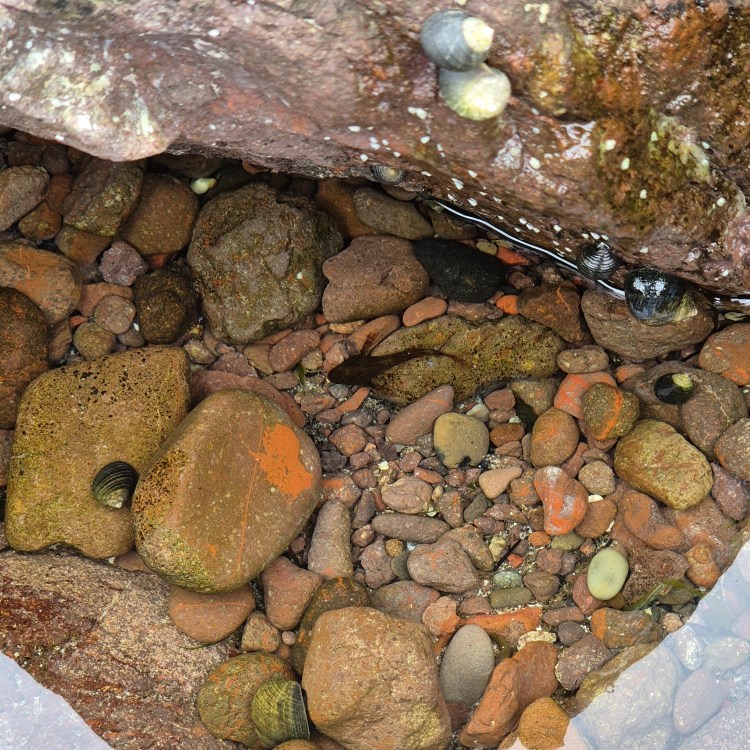
What Can You Find in British Rock Pools?
The golden rule? Look, enjoy, and put everything back gently where you found it.
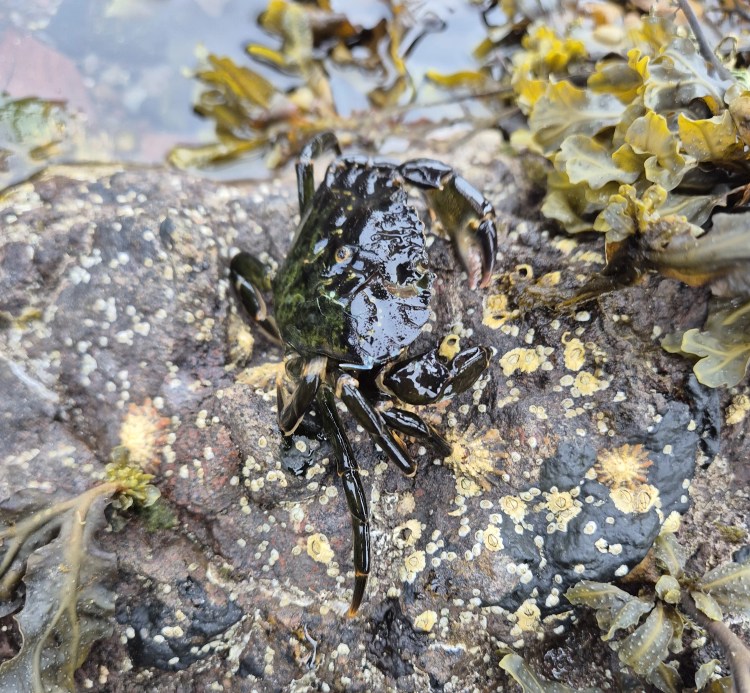
Crabs (Common Shore Crabs)
- Sideways scuttler
- Look under rocks and seaweed.
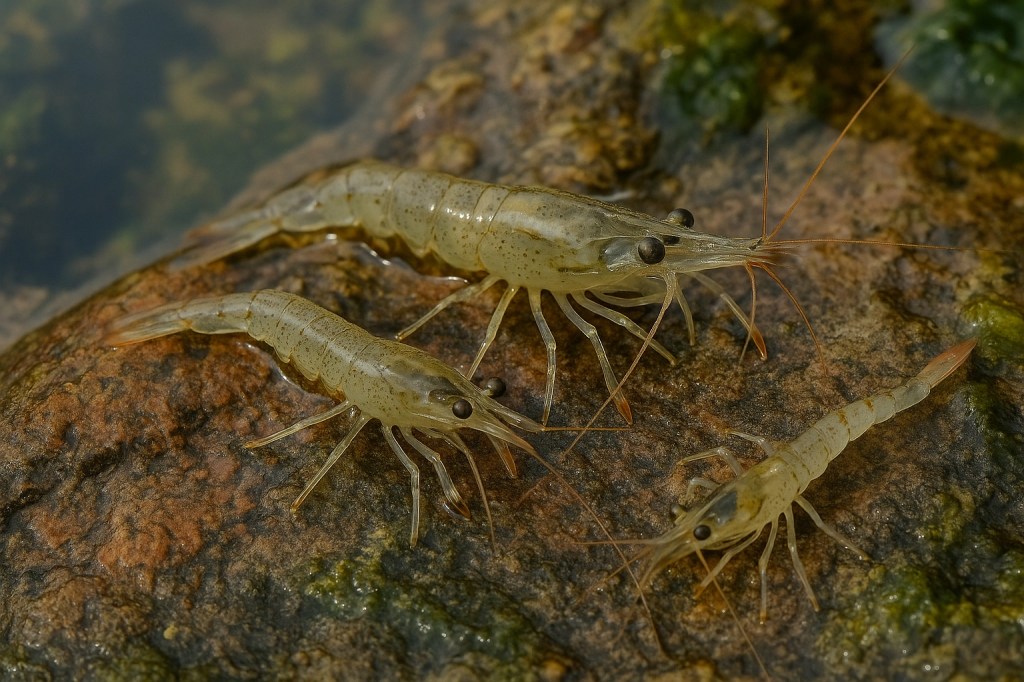
Prawns and Shrimps
- Tiny and see-through.
- Hold a bucket still, they might swim in.
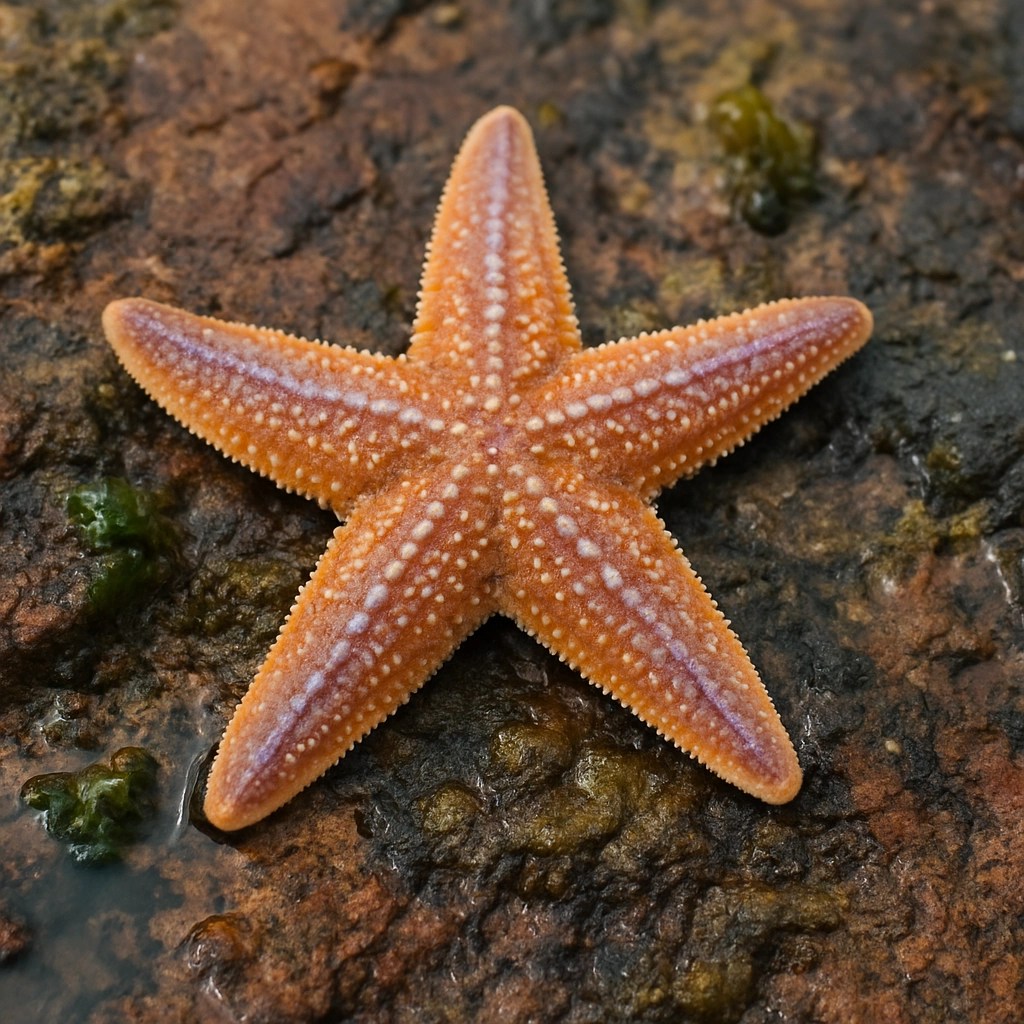
Starfish
- Often small and chunky.
- Can grow back arms if one’s lost!
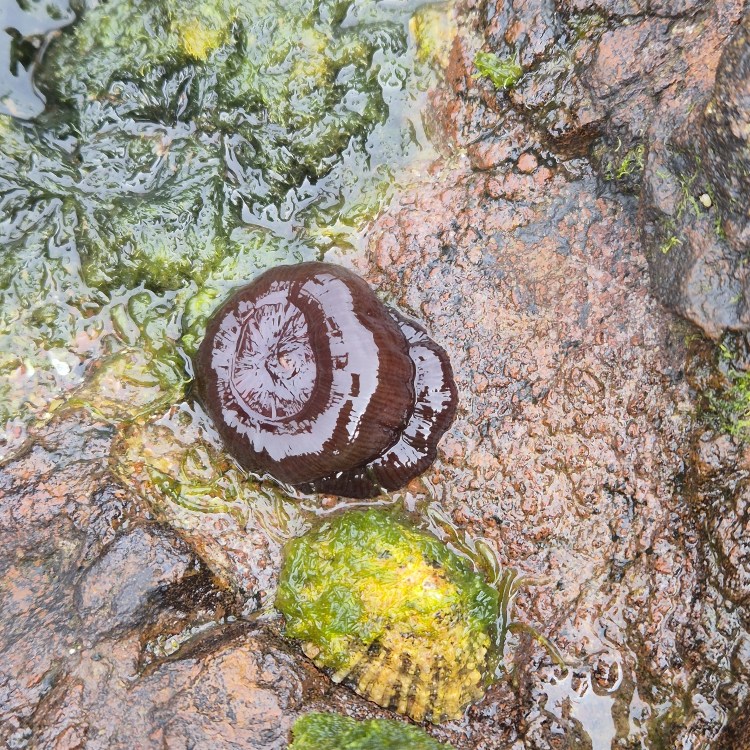
Anemones
- Jelly blobs that open like flowers underwater.
- Don’t touch – just watch.
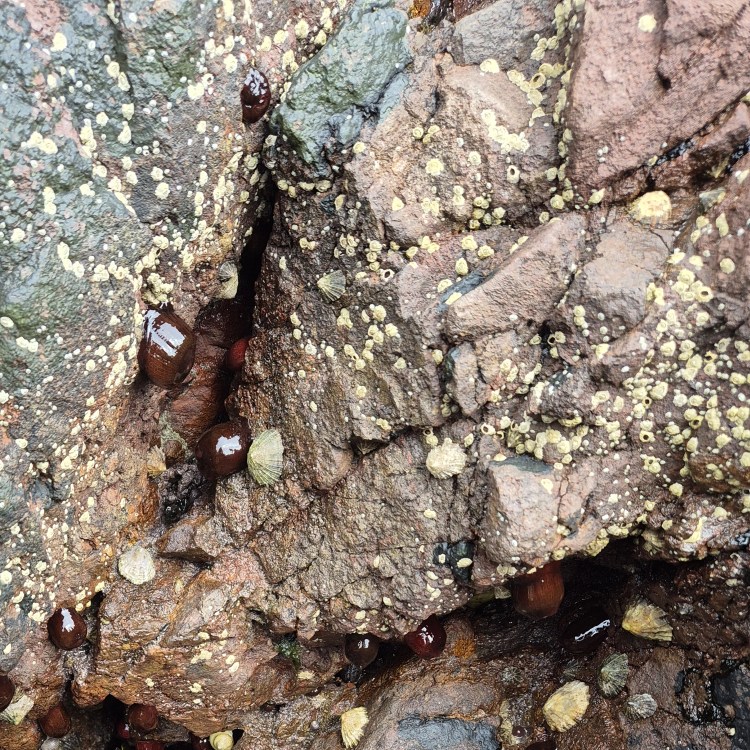
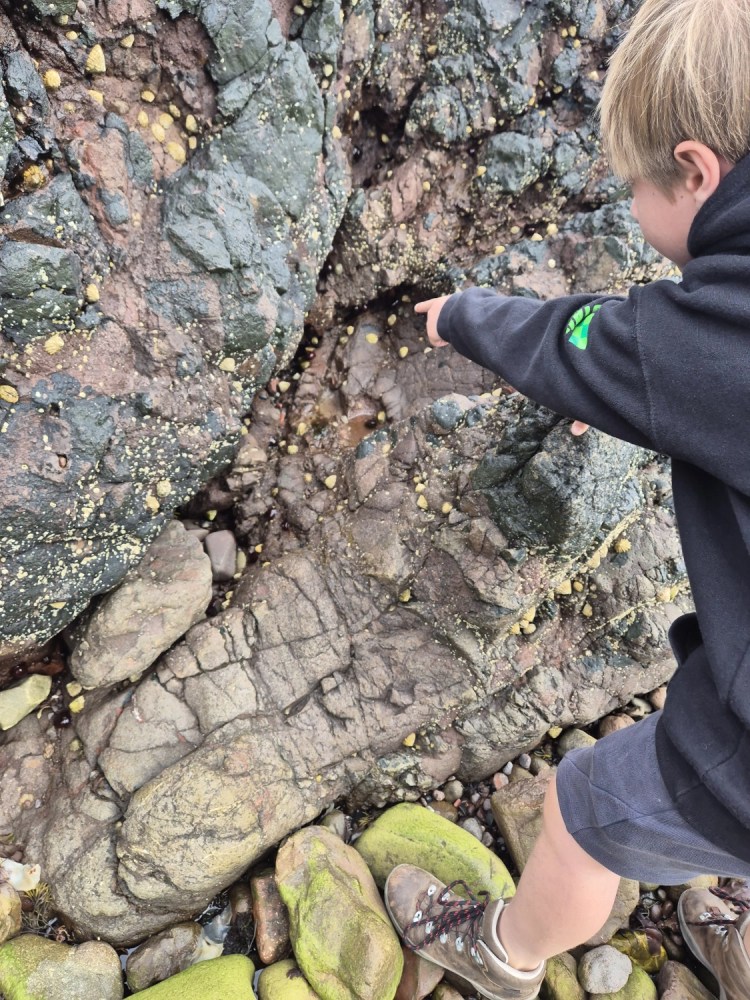
Barnacles
- Little volcano shapes stuck to rocks.
- Watch for waving legs when water swishes over them.
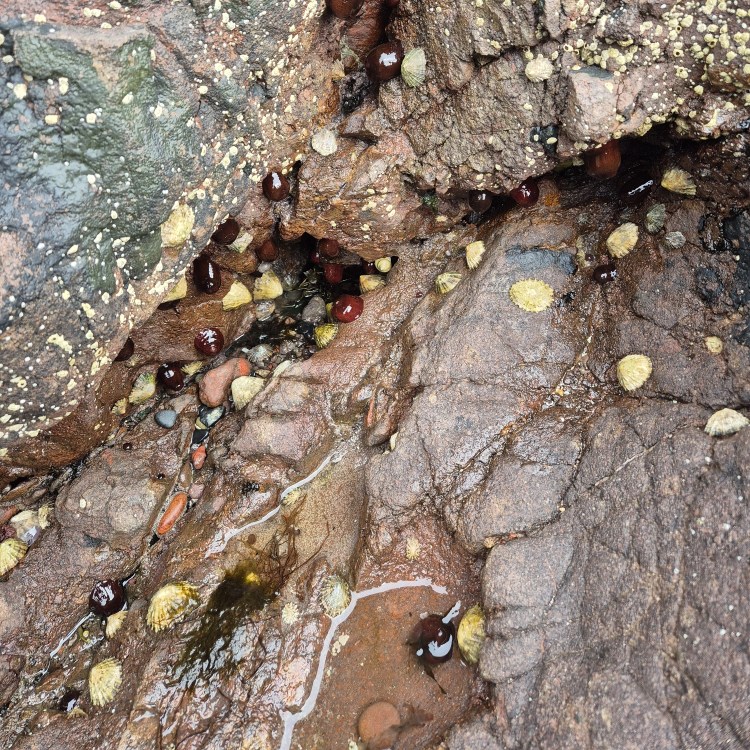
Limpets
- Cone-shaped shells stuck hard to rocks.
- Like little suction cups!
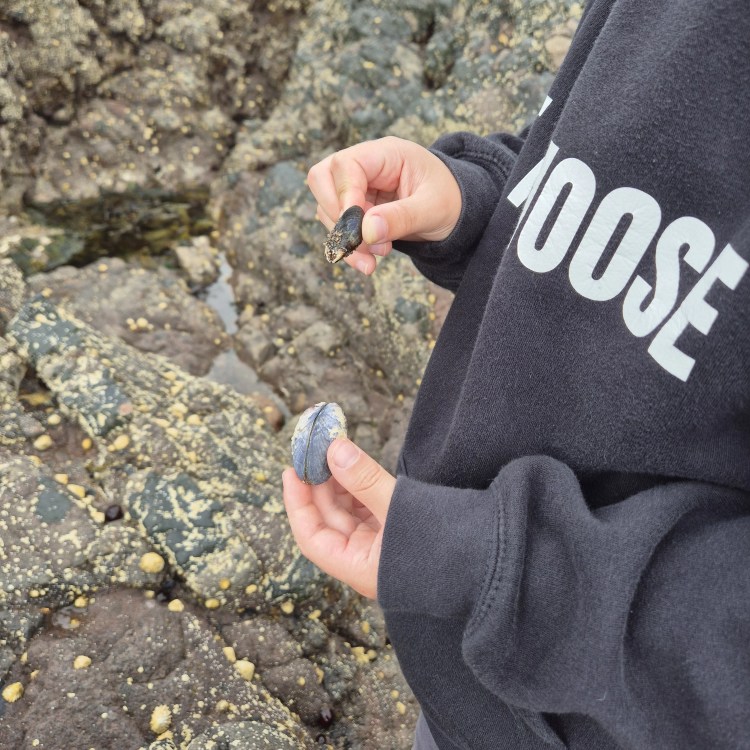
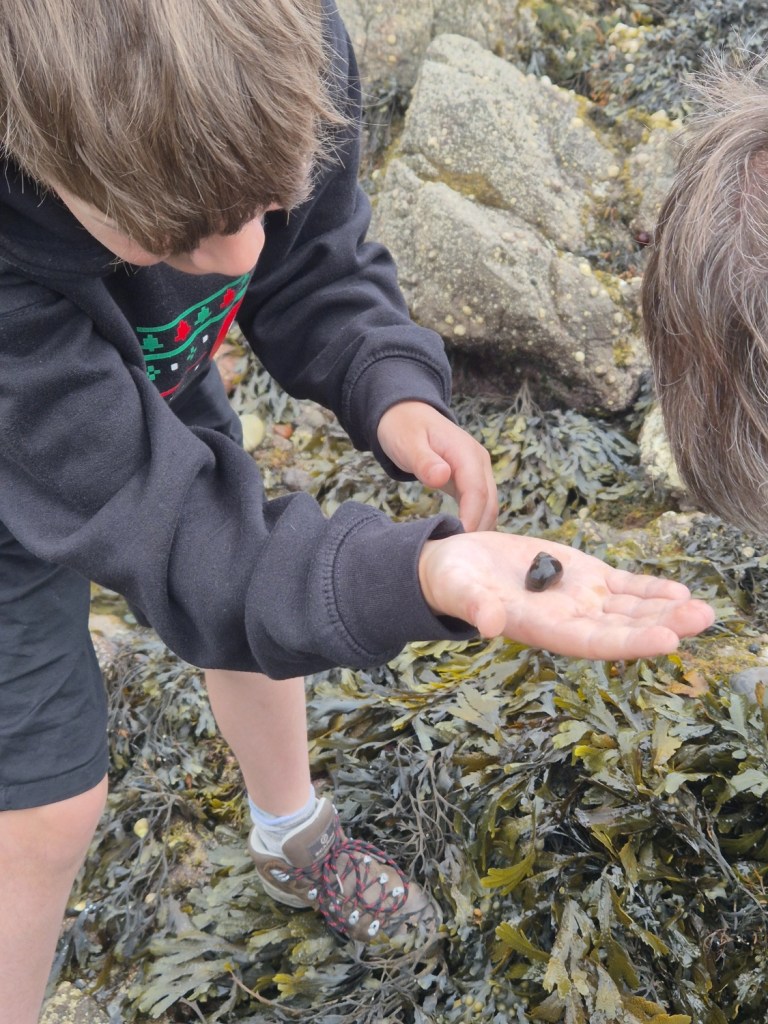
Mussels
- Small, shiny black or dark blue shells often clustered together.
- Look for them attached firmly to rocks – great for spotting at low tide.
Blennies and Gobies (tiny fish)
- Tiny fish darting around pools.
- Stand still and you’ll see them!
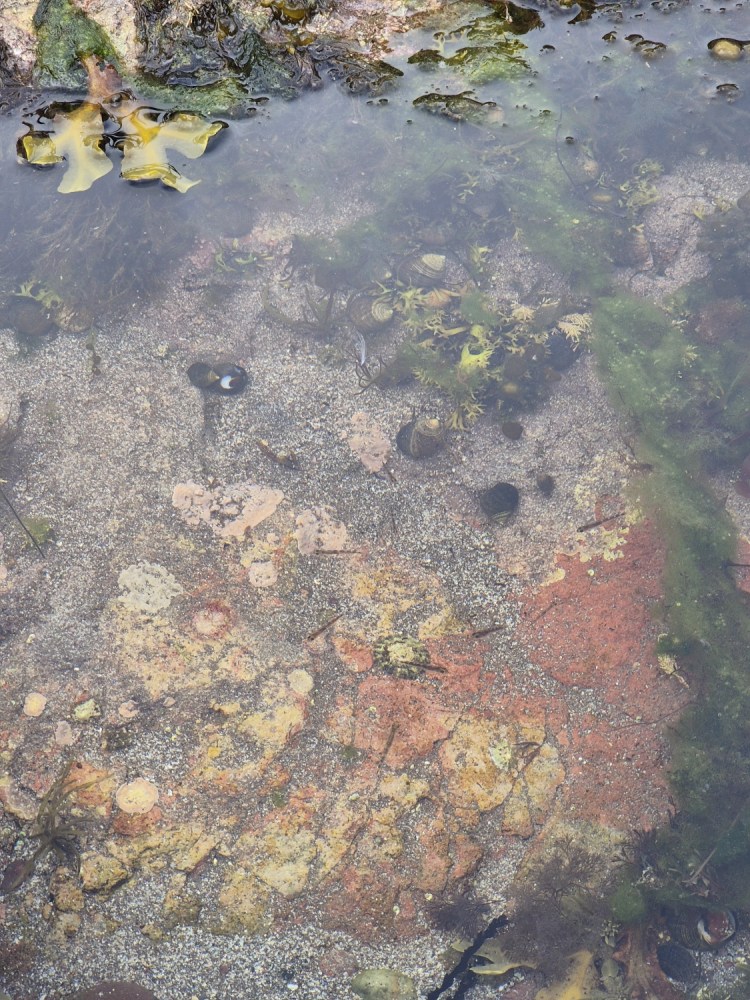
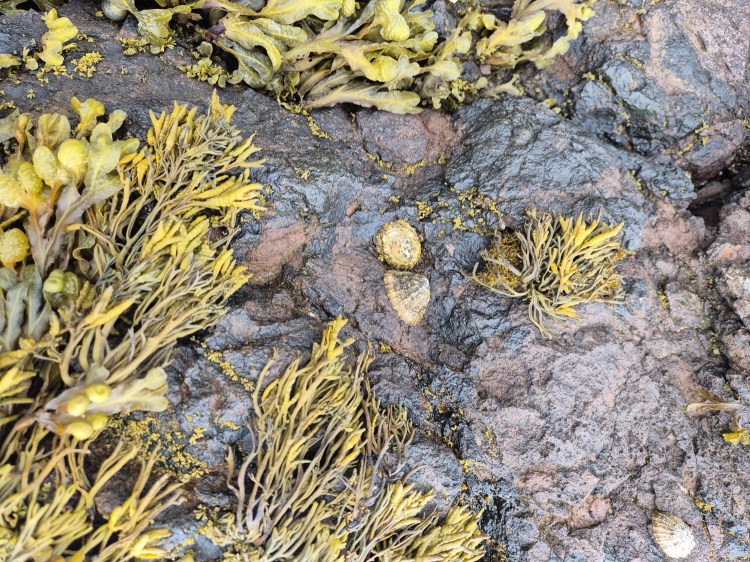
Seaweed Galore
- Bladderwrack (popping bubbles), green lettuce-like sheets, or big kelp.
- Gently lift to see what’s hiding underneath.
Extra Rare Finds
Baby lobsters, pipefish, squid or jellyfish (look but don’t touch!)
Look out for seabirds or even otters having a snack.
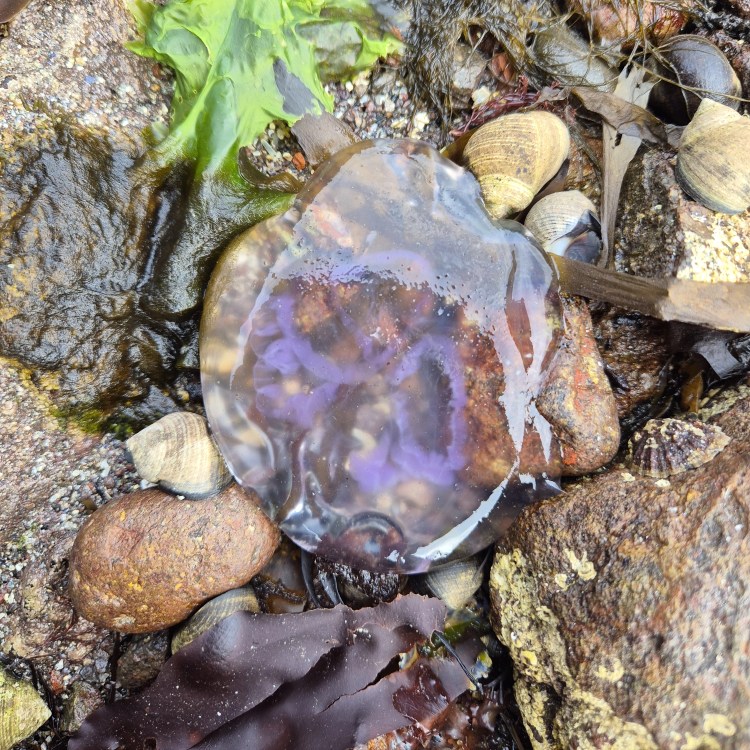
What have you found on your Rock Pooling adventures? Where’s your favourite spot to go rock pooling?
Related Posts You Might Like:

Discover more from Treks, Trails & Travel
Subscribe to get the latest posts sent to your email.

My niece will surely love rock pooling; however, we’re far from the ocean. Instead, we stargaze sometimes. Your photos are inviting, EJ.
LikeLiked by 1 person
Ahh bless, I think every child would love this! We are almost 3 hours from our nearest beaches, but thankfully my parents live near the sea so when we visit them we make sure we go, whatever the weather ❤️ Stargazing is wonderful, I must make a note of that for my free ideas posts, thank you!! 🙂
LikeLiked by 1 person
Your parents’ place sounds so beautiful, EJ. Yes, I think your boys will love stargazing, too
LikeLiked by 1 person
And you’re most welcome
LikeLiked by 1 person
A firm favourite with me and my two when they were young, we’d spend hours looking for stuff. They’ve grown out of it now but I haven’t! Still to be found on beaches poking around in rock pools. Never grow up, that’s my motto!
LikeLiked by 1 person
Oh I love it too! I think I’ll be like you, even when these pair grow out of it I’ll still be there rooting around haha 🙂 I’m 100% with you on that motto!! 😀
LikeLiked by 1 person
Nice to see all these sea animals.
LikeLiked by 1 person